
Common Lawn Diseases in Charlottesville, VA
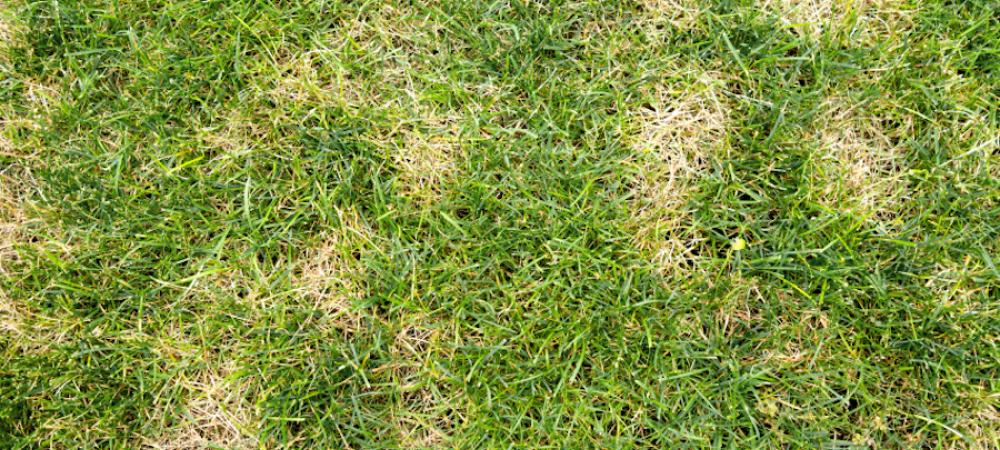
Keeping a lawn healthy in Charlottesville, Virginia isn’t always straightforward. Between humid summers, cool-season grasses, and unpredictable rainfall, local lawns are especially vulnerable to disease. Understanding what to look for—and when to act—can make the difference between a quick fix and long-term damage.
This guide breaks down the most common lawn diseases in the area, how they develop, and what you can do to manage them effectively.
Brown Patch
Brown patch is one of the most common lawn diseases in Charlottesville and Central Virginia, especially during hot, humid summer nights.
What does it look like?
Circular brown or tan patches that can range from a few inches to several feet wide. You may also notice a “smoke ring” effect around the edges early in the morning.
What causes it?
- Nighttime temperatures above 65°F
- High humidity or prolonged leaf wetness
- Excess nitrogen in the soil
How to manage it:
- Water early in the morning (never at night)
- Avoid over-fertilizing during peak summer heat
- Improve air circulation by mowing regularly and properly
Dollar Spot
Dollar spot tends to show up in late spring through early fall, especially in under-fertilized lawns. It starts off small but can spread quickly.
What does it look like?
Small, straw-colored spots about the size of a silver dollar. In the morning, you might see cobweb-like fungal growth.
What causes it?
- Low nitrogen levels
- High humidity and dew
- Compacted soil
How to manage it:
- Maintain a balanced fertilization schedule
- Water deeply but infrequently
- Reduce thatch buildup
Red Thread
Red thread is common in cooler, wetter months—usually spring and fall. This disease is often a sign of nutrient deficiency.
What does it look like?
Pink or reddish strands extending from grass blades, often giving patches a faint red tint.
What causes it?
- Low nitrogen levels
- Extended periods of moisture
- Poor soil health
How to manage it:
- Apply nitrogen as needed
- Improve drainage and airflow
- Keep mowing equipment clean to prevent spread
Pythium Blight
Pythium blight can damage a lawn almost overnight under the right conditions. It's one of the most destructive lawn diseases given how fast it spreads.
What does it look like?
Greasy, dark patches that may appear water-soaked. In humid mornings, you might see a cotton-like fungal growth.
What causes it?
- Poor drainage
- Excess moisture or overwatering
- High humidity and heat
How to manage it:
- Avoid watering in the evening
- Improve drainage in low-lying areas
- Limit foot traffic on affected turf
How Can You Prevent Lawn Diseases?
The best defense against lawn disease is a proactive, consistent care routine. Most fungal issues develop when grass is stressed, overwatered, or lacking nutrients.
Key prevention tips:
- Water deeply and early in the morning
- Follow a proper fertilization schedule based on your grass type
- Aerate annually to reduce soil compaction
- Mow at the correct height and keep blades sharp
- Address drainage issues before they become bigger problems
Healthy turf is naturally more resistant to disease, so focusing on overall lawn health goes a long way.
When Should You Take Action?
If you notice unusual discoloration, patching, or rapid changes in your lawn’s appearance, it’s best to act early. Many diseases look similar at first, but require different treatments, so proper identification is key.
Ignoring the issue can allow it to spread quickly, especially during peak growing seasons. Contacting a professional for lawn disease control services is your best bet to quickly and effectively eliminate your lawn's threat.
Need Help Identifying a Lawn Disease?
If your lawn in Charlottesville isn’t looking quite right and you’re not sure why, a professional evaluation can help you get clear answers.
Reach out to Turf HD to schedule a free inspection or learn more about treatment options tailored to your lawn’s specific conditions.